The Tales
Could you introduce yourself and give the listeners a snapshot of who you are and what you do?
Sure. Hi. I'm Che. I'm from Riverside Community, which for me is really about being of place. I'm actually third generation from Riverside, so that's kind of my home, my culture, my grounding. As I get older, I understand how different that is to most people's experience. I think coming from Riverside affords me a certain view of the world, or at least a leveraged space to express myself from. I'm 55 years old. I have three grown boys, a stepdaughter, and a grandson. I've always worked with plants, and I've always been drawing and creating for as long as I can remember — right back to when I was two or three years old.
How do you think being at Riverside has shaped your creative practice?
Just having the freedom to be me and not be so engaged in the competitive world has allowed me more freedom to express my own way of being. That’s totally informed by the culture of Riverside, which is about sharing, helping each other, and trying to avoid competition where possible.
How does working with metal inform your approach to living art and your connection with plants?
The steel art — fantails, copper chandeliers, and more — is kind of my Pacifica/New Zealand iconic work. It's my take on the icons of our natural world. I also have a series of earrings with birds that are in the same vein. But the copper pieces are much more about growth and decay — the fractals and patterns of life itself. That work reflects who I am in the world and what I’m drawn to explore. Often when I’m working, I’m just embodying the movements and repeating those patterns on a small or large scale. I might be drawing onto copper or literally cutting into it with a gas torch, just feeling it — not prescribing, just responding intuitively.
Has there been a pivotal moment in your creative practice?
Yes — when we opened the café in 2000 (it’s now Komitti Miti), we were renovating this old house, maybe 130 or 140 years old. It had been used for seasonal worker accommodation and was falling down. During the process, we pulled out a big old hot water cylinder. I put it aside, and at the end of the project, I chopped it up with a gas axe. The piece I made just worked. I put it on the wall, and it sold within weeks. That moment made me realise, okay, I guess I’m a selling artist now — and I started making more. The chandelier in the café came later, maybe 12–15 years ago, and shows how my work evolved from those early pieces to something more complex.
How did your passion for bonsai begin?
I’ve always worked with plants. When I was 13 or 14, I started pulling out little birch trees and playing with them as bonsai. I knew what bonsai was, but I didn’t really understand it — I just experimented. By the time I was 20, I had about 20 bonsai. When I returned to Riverside, I started a nursery — growing things from cuttings and seeds, many of which became bonsai over time. Now I have two nurseries, probably around 1,000 trees in various stages of development.
What does bonsai offer that other art forms don’t?
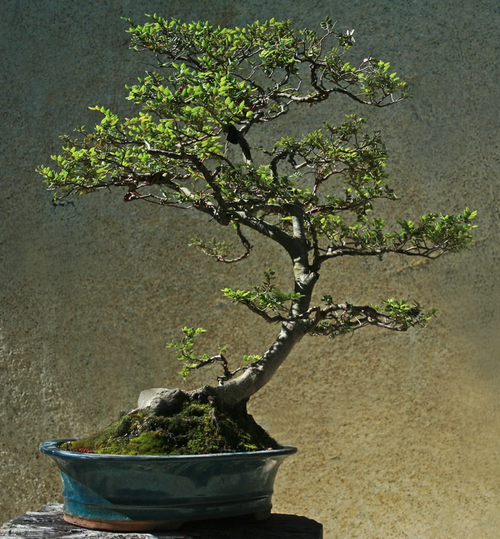
Bonsai is where my art, design, and passion for fractals and natural patterns meet. It's a living sculpture you recreate again and again — annually, seasonally. It’s a constant learning process, a relationship with the plant. You say, “Grow this way,” and the plant responds with its own agenda. It’s a push and pull. I spent time at a nursery in Japan and expected to be overwhelmed, but instead I was inspired. It showed me what’s possible with time.
What makes New Zealand natives unique for bonsai?
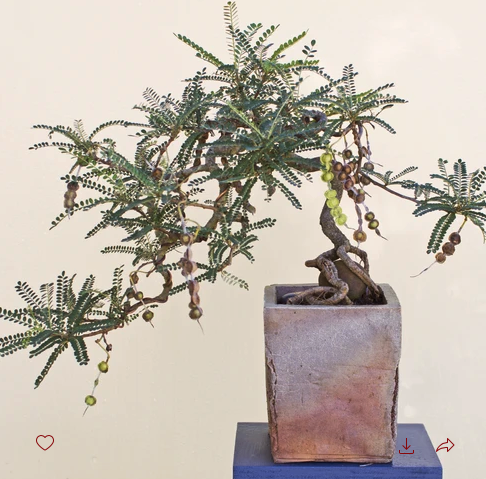
Many native plants evolved alongside moa, so they developed divergent juvenile stages to protect themselves from grazing. That means many native trees — like rimu or mataī — aren’t great for bonsai. But there are smaller, diverting species that are amazing: some look like chicken wire, some are cruciform, some hang down. The shoots have beautiful colours, berries, flowers. I'm exploring how to use those species to create a distinct New Zealand bonsai style. “Bonsai” just means “potted tree,” but we can express it our own way.
How do these native trees behave differently in training?
They're more like bushes than trees. They don’t follow typical growth habits and often shoot out new growth unpredictably. It’s a challenge — you might cut back and find a whole new shoot emerging elsewhere. It requires constant attention and negotiation. But the diversity and potential are incredible.
You once described bonsai as a relationship where “missteps become character and wisdom.” Can you expand on that?
Unlike a finished artwork that you hang on the wall or sell, a bonsai just keeps growing. Even a poorly formed tree will become better with age. A good bonsai should tell a story — about its history, how it grew, how it responded to its environment and caretaker. You should be able to “read” its scars and growth the way you would read an old tree in the wild. When I visited nurseries in Japan, each one had a distinct personality in their trees. You could tell who shaped them. I think someone with deep bonsai knowledge could tell what nursery a tree came from just by its character.
Do you think bonsai helps people reconnect with the land?
Yes. So many people want to grow natives. They’re trying to be of this place — to belong here. Bonsai helps foster that connection. It’s a quiet protest against hyper-personalisation, speed, disconnection. It teaches care, patience, and attentiveness — the opposite of what modern life often demands.
How long can a bonsai live?
As long as a full-sized tree — potentially hundreds of years. There are bonsai in Japan that are over a thousand years old. They get bigger slowly. Old bonsai might be two metres tall with trunks 30 to 50 cm thick. You train a young tree to look ancient — with branches knurled, angled, and heavy. Wiring helps you shape those forms, bending time into the tree’s posture.
What kinds of people come to buy bonsai?
It’s a mix. Younger people in their 20s or 30s often buy small starter trees. Older people — often immigrants from the UK or Germany — come after having to leave their collections behind and want to start again. And then there are people buying gifts for relatives: “My dad always wanted a bonsai.” Then I’ll get a call: “They bought me a bonsai. Now what do I do?”
Tell us about your workshops.
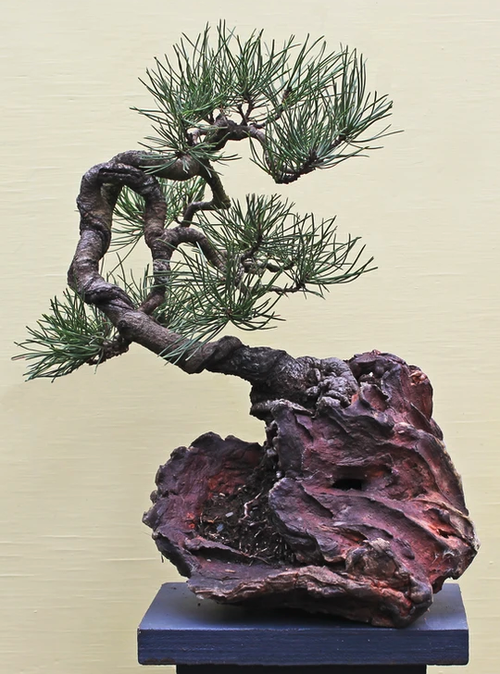
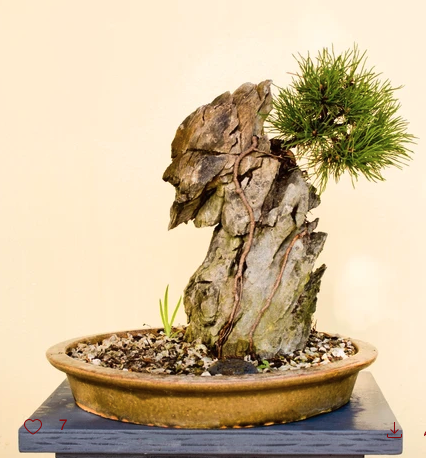
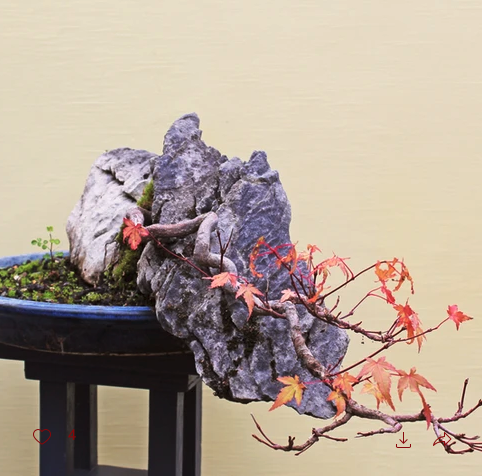
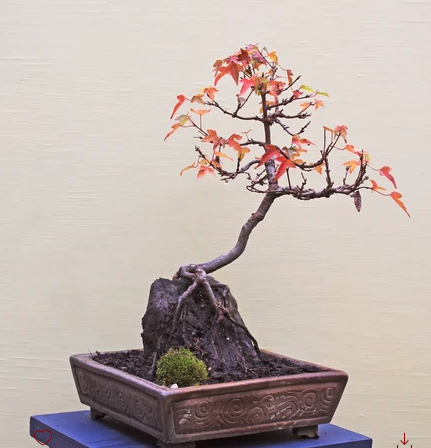
I run a workshop every year through Winter Workshops, and sometimes through Riverside Community Education. I focus on root-over-rock bonsai — a specialty of mine. We’ve got amazing rocks around here, and I teach people how to mount trees on them and care for them. I collect rocks on hikes — sometimes sneak them into my kids' packs when they’re not looking!
What do you look for in a rock for bonsai?
You’re miniaturising a tree, so the rock has to represent a mini landscape — cliffs, outcrops, texture, erosion. It needs cracks, fractures, and features that mimic a natural setting. Sometimes I go for fantastical shapes too — holes, curves, unusual forms. There’s a whole genre called fairy-tale bonsai in Europe, using gnarly old stumps and dramatic features. I love that imaginative side.
Is bonsai meditative for you?
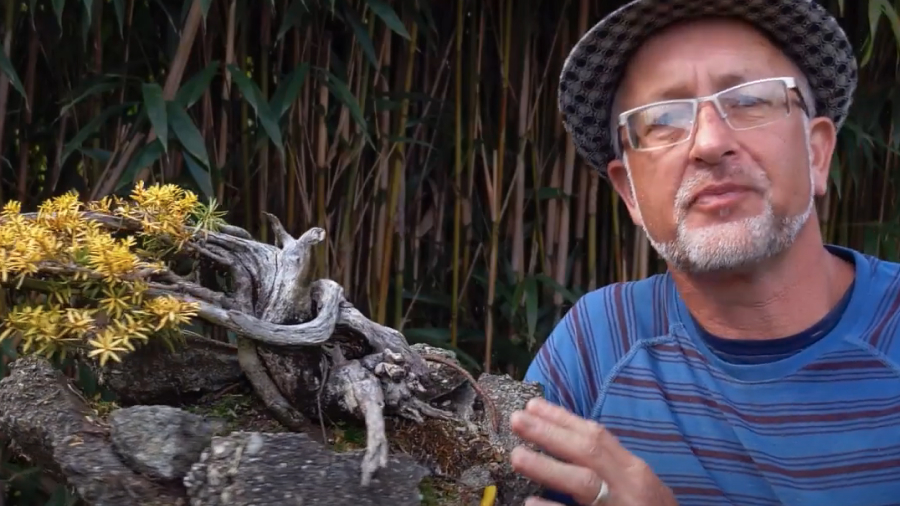
Yes, for sure. It’s calming. You’re right there with the tree, observing, listening, shaping. But for beginners, it can be overwhelming — “What do I do now?” That’s why I started my YouTube channel, Hardwired Bonsai. It’s first-person videos of me working on trees — wiring, pruning, adjusting. I talk through what I’m doing, so people can learn by watching. There are about 60–80 videos up so far.
You've done so much with sculpture, bonsai, and the community — what’s next?
I’m planting forests. Riverside has a couple hundred hectares, and I’ve been turning marginal land — swamps, slopes — into bird-friendly habitat. One forest is an arboretum, with trees from around the world that offer food or beauty. I’ve also designed “tree cathedrals” — planted grids or circles you can stand in, with strong lines of sight — and a magnolia-ringed performance space for weddings, raves, Shakespeare, whatever.
How do you balance access with protecting the wildlife?
That’s the challenge. I want people to enjoy the space, but I also planted it for the animals. It’s about finding that balance. When I visited the North Island a couple of years ago, I was shocked at how few birds I saw. Too many picket fences and manicured paddocks. Coming back to the South Island, I felt huge relief. It’s still wild here — still alive with birdsong.
What advice would you give to young people wanting to blend creativity with nature?
Get outside. Observe. Study growth, erosion, patterns. Understand evolution — really understand it. That gives you insight into everything — the land, the trees, even people. It feeds your creativity and your sense of belonging in the world.
Where can people find your work?
You can visit my bonsai site: chevincent.co.nz. I’m also on YouTube at Hardwired Bonsai. And I’ve made a series of videos on Riverside life called Living in Community, though they’re a bit tricky to find. If anyone wants to visit the nursery, just get in touch through the website. I’m around.




 Previous


